Imagine Africa: A Love Letter to Traditional Storytelling
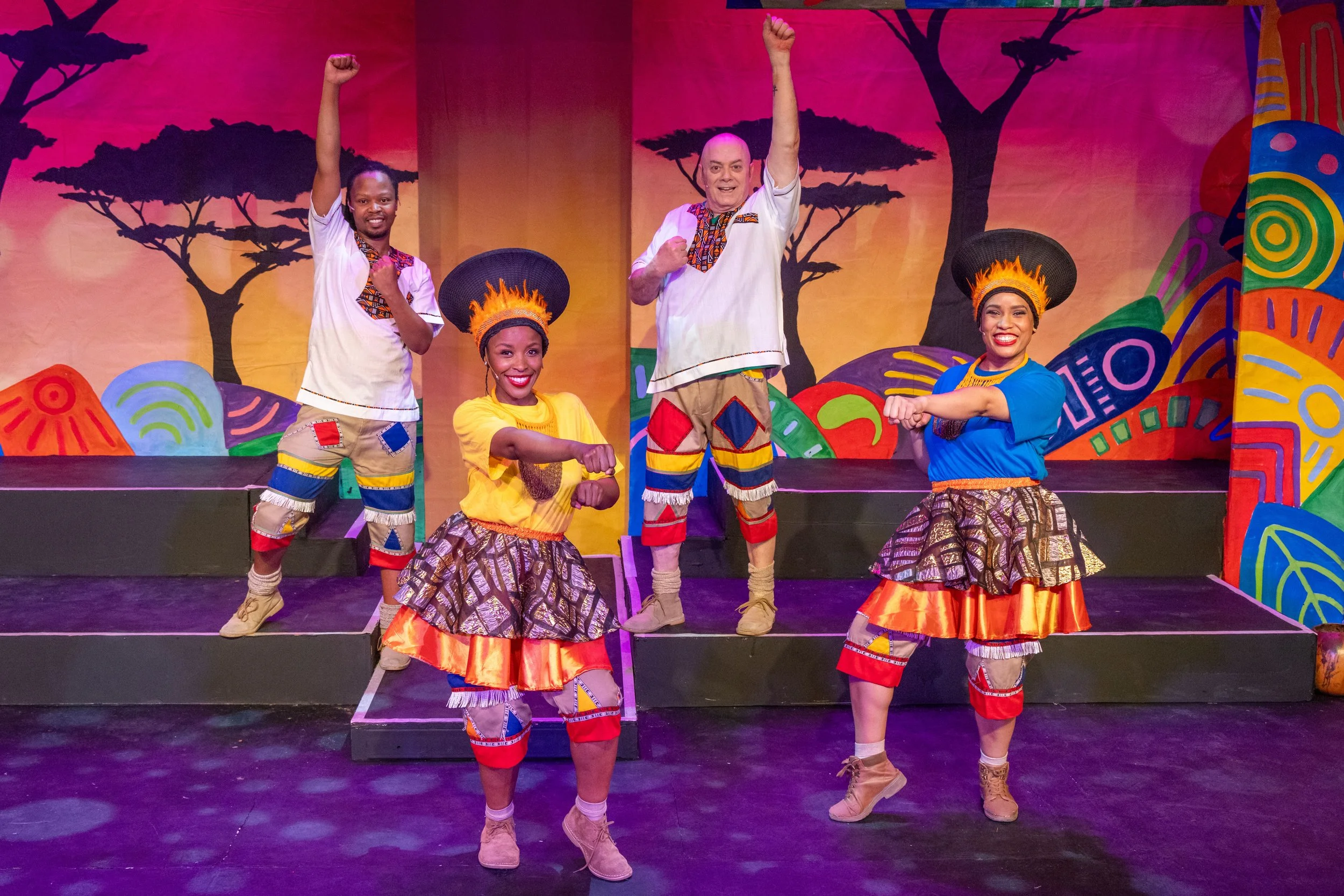
Photo: Stefane Levy
As soon as the curtains open, the whole auditorium is already leaning forward. Small hands shoot into the air. A boy near the front is already halfway out of his seat, ready to be a crocodile, a bean sorter, whatever the story needs next. This is the atmosphere the Peoples Theatre has built its reputation on for over three decades, and with Imagine Africa: Our Stories Brought to Life, it feels as vital and joyful as ever.
The production draws on the work of Dr Gcina Mhlophe, one of South Africa's great storytellers, whose stories have travelled the world and been translated into languages from isiZulu to Braille. Rather than adapting a single narrative, the show strings together a handful of her shorter tales, among them How the Lion Got His Roar and Golden Windows, separated by musical interludes that let the young audience sing, dance and simply catch their breath before the next story begins. It is a clever structural choice. Children's attention spans are not built for eighty unbroken minutes of anything, and by keeping each story short, self-contained and punctuated with movement and song, the show never once drags. There is always a new world about to open up.
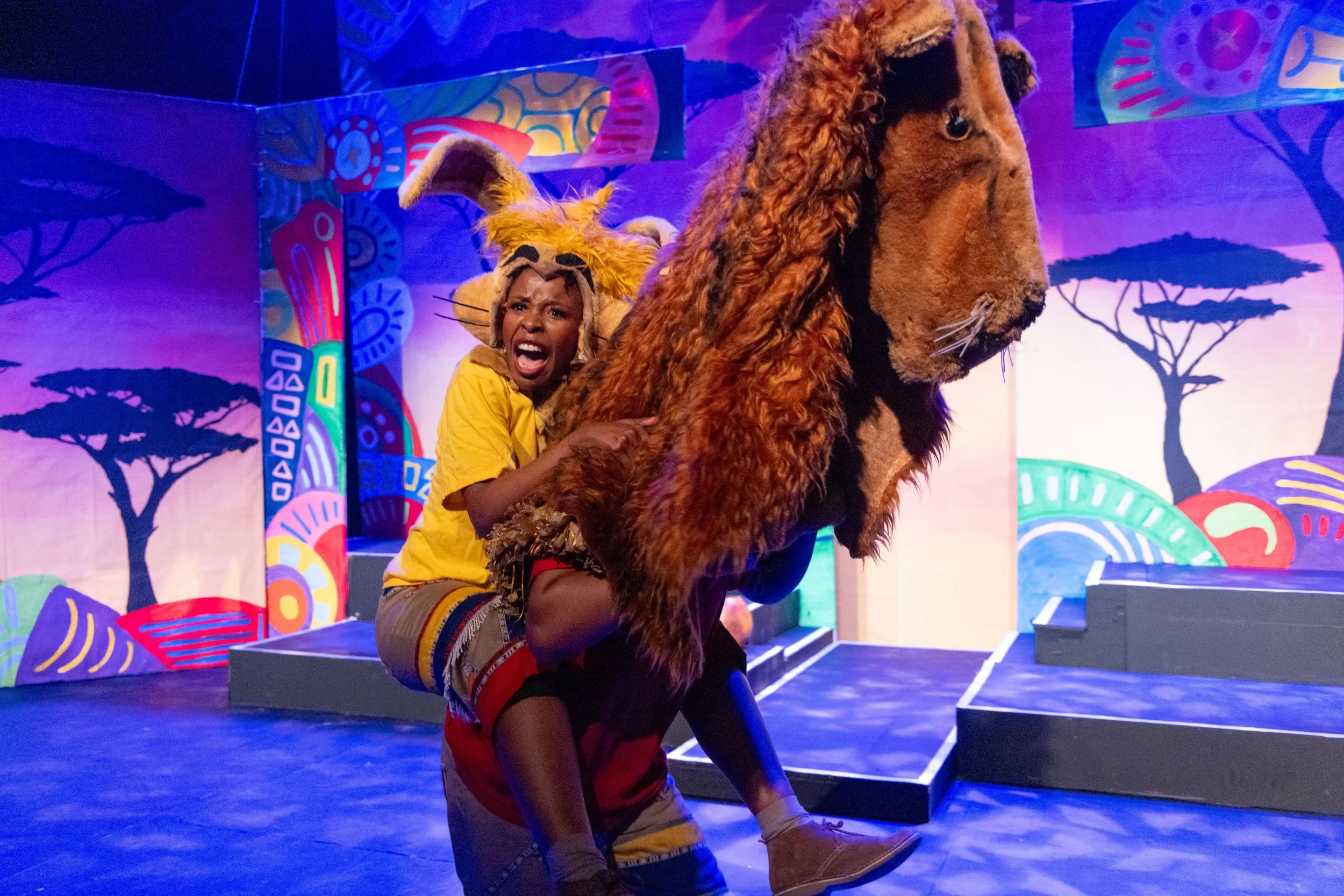
Photo: Stefane Levy
Stories with real roots
What sets these tales apart from generic children's fare is how unmistakably African they are, both in setting and in spirit. Mhlophe writes with a warmth and specificity that comes from deep familiarity with the oral tradition she grew up in, and it shows in every line of dialogue and every character the young cast members bring to life. These are not stories borrowed from elsewhere and dressed up in local costume. They come from somewhere real, and children in the audience seem to sense that even if they could not articulate why.
Golden Windows was, for me, the clear highlight of the afternoon. It is a gentle, almost fable-like story, told with a tenderness that quietly snuck up on me. I did not expect to feel my eyes prickle at a children's matinee, but there is something about the way Mhlophe writes about home, longing and the things we chase without quite understanding why, that lands regardless of your age. It is proof that good children's theatre does not need to condescend. It can hold real feeling and trust that young audiences, and the adults sitting beside them, will meet it there.
The interactive format is where the production really earns its keep. Rather than treating audience participation as a gimmick bolted onto the edges of the story, the cast weave it into the storytelling itself. Children become warriors, animals, obstacles and helpers, guided moment to moment by performers who clearly know how to read a room full of small people and keep the energy moving without losing control of the narrative. On the day I attended, the response from the stalls was loud, enthusiastic and completely unselfconscious, which is exactly what you want from theatre built for this age group. The adults in the room were laughing and singing along just as readily.
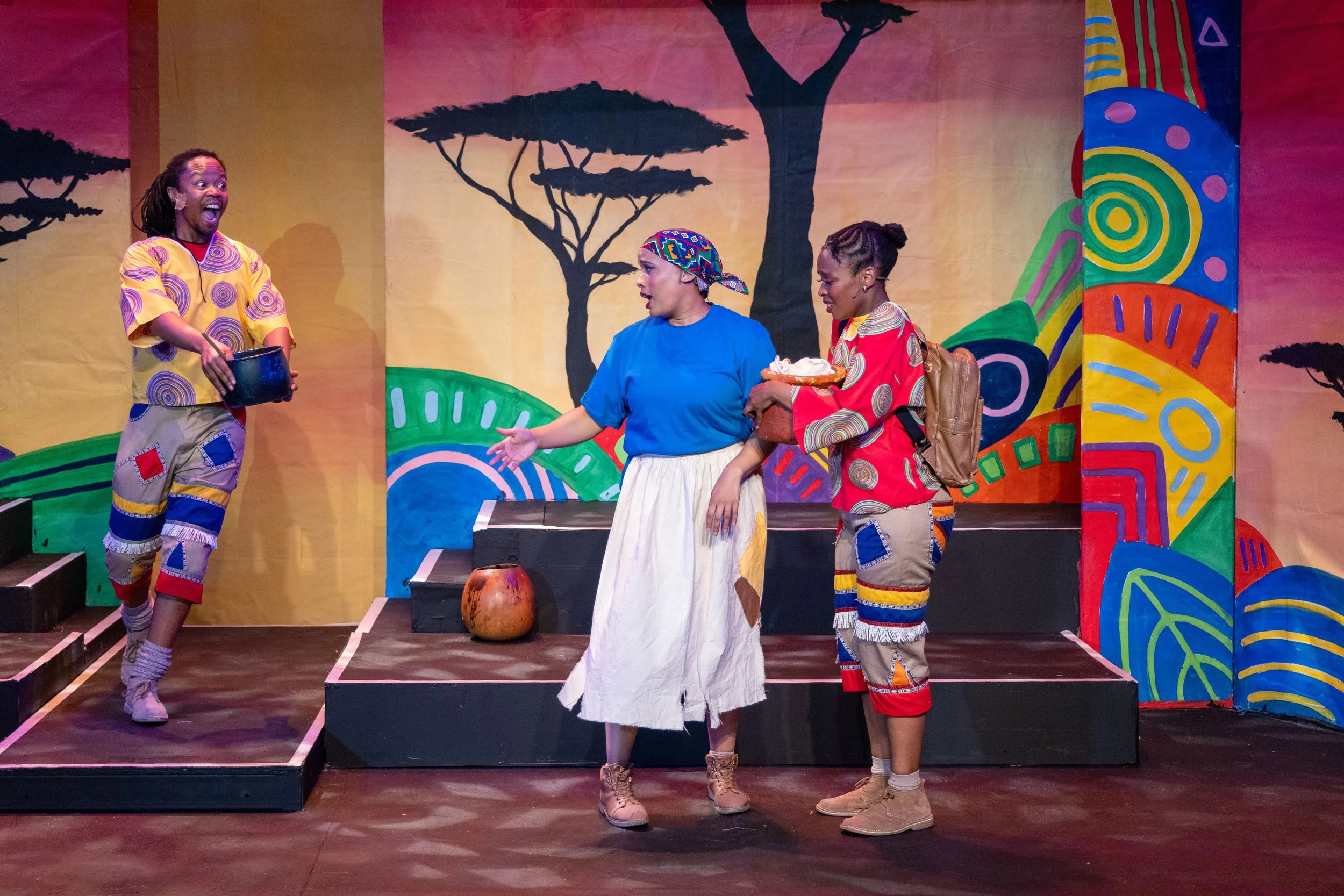
Photo: Stefane Levy
A living inheritance
There is also something quietly moving about watching these particular stories staged this month. September is Heritage Month in South Africa, and Imagine Africa uses that occasion well, without ever feeling like a history lesson dressed up as entertainment. The show trusts that heritage is best passed on through joy rather than solemnity, through song and audience participation rather than lecture. Mhlophe herself has spoken about wanting South African children to take ownership of their own cultural heritage, and watching a room full of young Joburgers shout, sing and act their way through her stories, that ambition feels genuinely realised rather than merely stated.
It is worth noting, too, that this production arrives at a significant moment for Mhlophe's own career. Next month she is due to receive the Poetry Africa Lifetime Achievement Award at the Durban Playhouse Theatre, recognising more than four decades of work in South African oral tradition, literature and theatre. Seeing her stories performed for a new generation of children in the same season as that honour gives Imagine Africa an added layer of resonance. This is not simply a nostalgic revival of old favourites. It is a living demonstration of exactly why that body of work matters.
Peoples Theatre has built its identity on precisely this kind of production, elaborate enough in its staging to properly transport young audiences, yet intimate enough that no child ever feels like a passive spectator in a cavernous space. Imagine Africa fits comfortably within that tradition while still feeling fresh, thanks largely to the strength and specificity of the source material. The costumes are vibrant without being fussy, the musical choices are catchy without overstaying their welcome, and the pacing respects the fact that its audience members are, for the most part, still working out how long they can comfortably sit still.
If you have young children and are looking for an introduction to live theatre that will not overwhelm them, or simply want an excuse to spend a Heritage Month afternoon somewhere joyful, this is an easy recommendation. It succeeds at the thing children's theatre so often gets wrong: taking its audience seriously without ever losing its sense of play. Another confident, warm-hearted addition to Peoples Theatre's long history of introducing children to the wonder of the stage, and a genuine celebration of stories that belong to us.
Imagine Africa runs at Peoples Theatre until the 4th of October 2026.