Ms. B-Haved: A Masterclass in Classroom Chaos
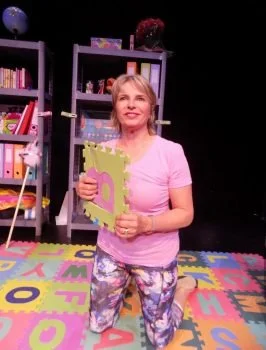
Two rows ahead of me sat a clutch of primary school teachers, and long before Sue Diepeveen had finished her opening monologue, they were already gone, helpless with laughter in the way that only people who recognise every single word can be. That is the test any show about a specific profession has to pass, and Ms. B-Haved passes it within minutes. Written and performed by Diepeveen, and directed with a sure hand by Natasha Sutherland, this solo show has arrived at Theatre on the Square fresh off its debut at the National Arts Festival, and it is a far funnier, sharper evening than its premise might suggest.
The setup is simple. Sally Burkett, a veteran teacher of thirty years standing, has been suspended from her small-town primary school under circumstances that unfold slowly over the course of the show. She sits in limbo, awaiting her fate, and uses the time to relitigate her career in front of us: the shifting policies, the escalating parental demands, the indignity of teaching through a laptop camera during lockdown. It would be easy for a play like this to become a list of grievances dressed up as comedy, a greatest-hits reel of "kids these days" and "parents these days." What makes Ms. B-Haved work is that it resists that temptation almost entirely. Sally is not simply a martyr. She is funny, flawed, a little vain, occasionally unreasonable, and completely human, and the writing trusts its audience to laugh at her as often as they laugh with her.
A staffroom without walls
What struck me most was how precisely the show captures something that most of us, whatever our own school days looked like, never actually see: the strange, high-wire, endlessly particular business of managing thirty small humans and their families at once. Diepeveen writes about the quirks and absurdities of the job with real affection, and the effect is less a lecture on the state of education than an invitation into a world that outsiders rarely get to visit properly. You come away with a clearer sense of just how many competing versions of "reasonable" a teacher has to hold in their head on any given day.
That was where the show did some of its best work on me personally. My own child is not yet a year old, years away from a classroom of her own, but the show still managed to plant a seed of dread. It is easy to imagine seeing your child as the centre of every classroom, the one whose needs are self-evidently the most urgent, and Sally's slow unravelling is partly a portrait of what happens when thirty families all believe the same thing simultaneously, leaving one exhausted human being with a marker pen and a badly ventilated classroom to reconcile it all. The show never says this outright. It does not need to. It simply lets the accumulation of small demands build until the discomfort sets in on its own, well before you have any of your own demands to answer for.
The material set during the Covid years lands with particular accuracy. The frozen screens, the muted microphones, the surreal indignity of trying to hold a room of eight-year-olds' attention through a glitching video call, all of it is rendered with a specificity that suggests it was lived rather than researched. For anyone who sat through that strange period, whether as parent, pupil or teacher, these sections work as both comedy and a small, sharp jolt of recognition.
Committing to the Bit
Diepeveen is a generous performer. She is not precious about how she looks on stage, and there is something genuinely admirable about a solo performer willing to be silly, awkward or unflattering if the character calls for it. That commitment carries much of the show's charm, and it is easy to see why her earlier solo work, So You Want to Be a Trophy Wife?, found an audience at this same venue.
If I have a reservation, it is that a handful of moments felt slightly less lived-in than the rest, a beat here and there where the performance edged toward demonstration rather than inhabiting the character fully, and it briefly loosened my grip on the story. These moments are few, and they are more than made up for by long stretches where Diepeveen disappears completely into Sally, but they are worth mentioning precisely because the rest of the show sets such a high bar for authenticity.
None of that diminishes what Ms. B-Haved achieves. This is a show that takes an ordinary, unglamorous profession and finds within it a genuinely funny, genuinely moving hour of theatre, without ever resorting to cheap shots at parents, pupils or teachers themselves. It asks its audience, gently but insistently, to consider how much invisible labour goes into looking after other people's children, and how quickly a life's work can be put on trial in a culture that increasingly prefers verdicts to context. Judging by the teachers laughing helplessly a few rows ahead of me, it gets the details right. Judging by my own uncomfortable moments of recognition as a parent, it gets a great deal else right too.