Twenty Years On, the Met's Cinema Gamble Has Paid Off
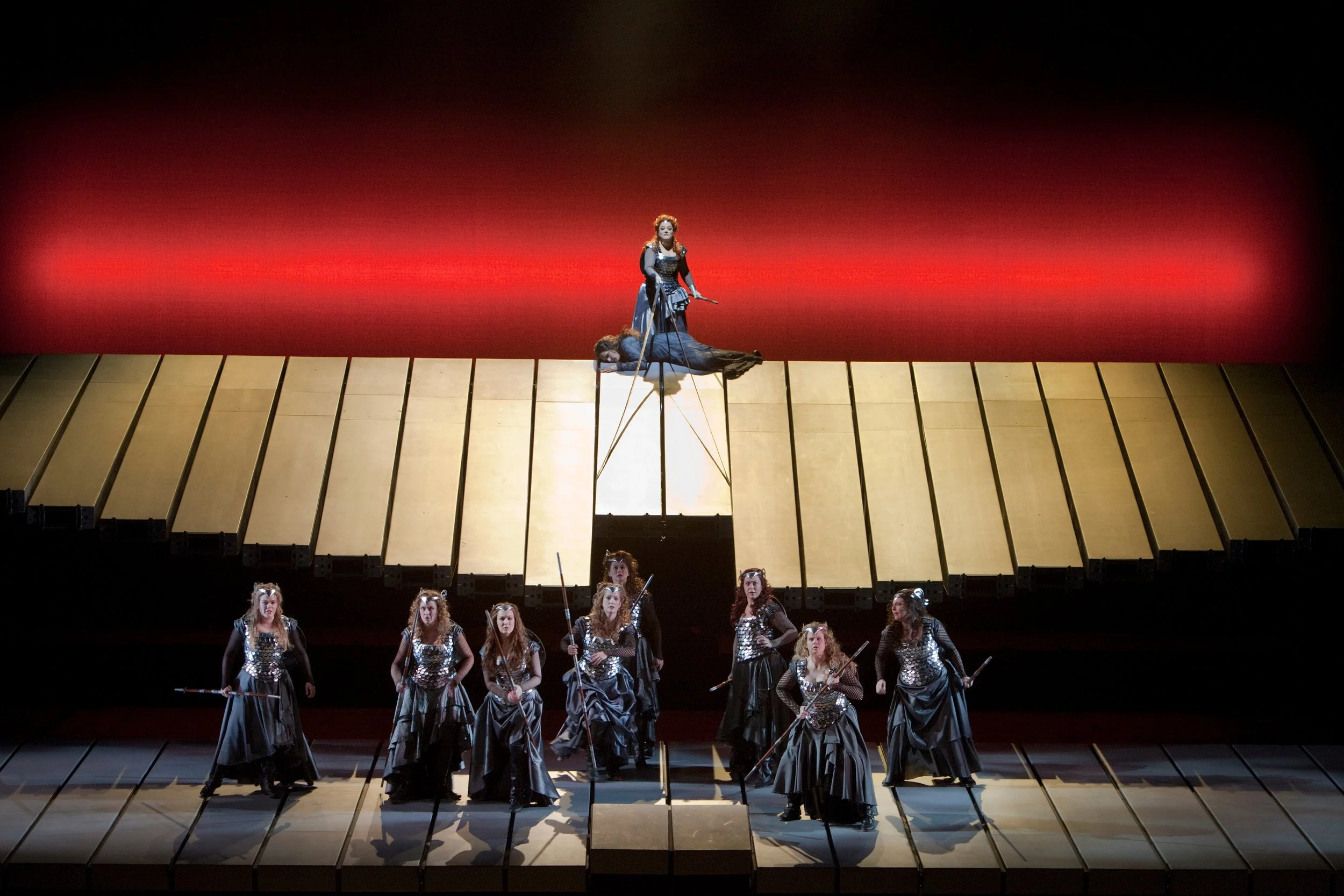
Photo: Ken Howard/Metropolitan Opera
Twenty years ago, when the Metropolitan Opera first pointed a camera at its own stage and beamed the result into a cinema, it was treated in some corners as a kind of heresy. Opera, the argument went, lives and dies on the unrepeatable charge of a live room: the held breath before a top note, the particular acoustics of a particular house, the sense that anything could go wrong. Flatten all of that onto a screen in a shopping mall and surely you lose the thing that makes it opera at all. Twenty years and 185 broadcasts later, that argument looks like the losing one, and nobody is better placed to say so than someone like me: a relatively recent convert to opera, sitting in a Johannesburg cinema, watching two decades of the Met's grandest moments unfold on a screen I could actually afford to be in front of.
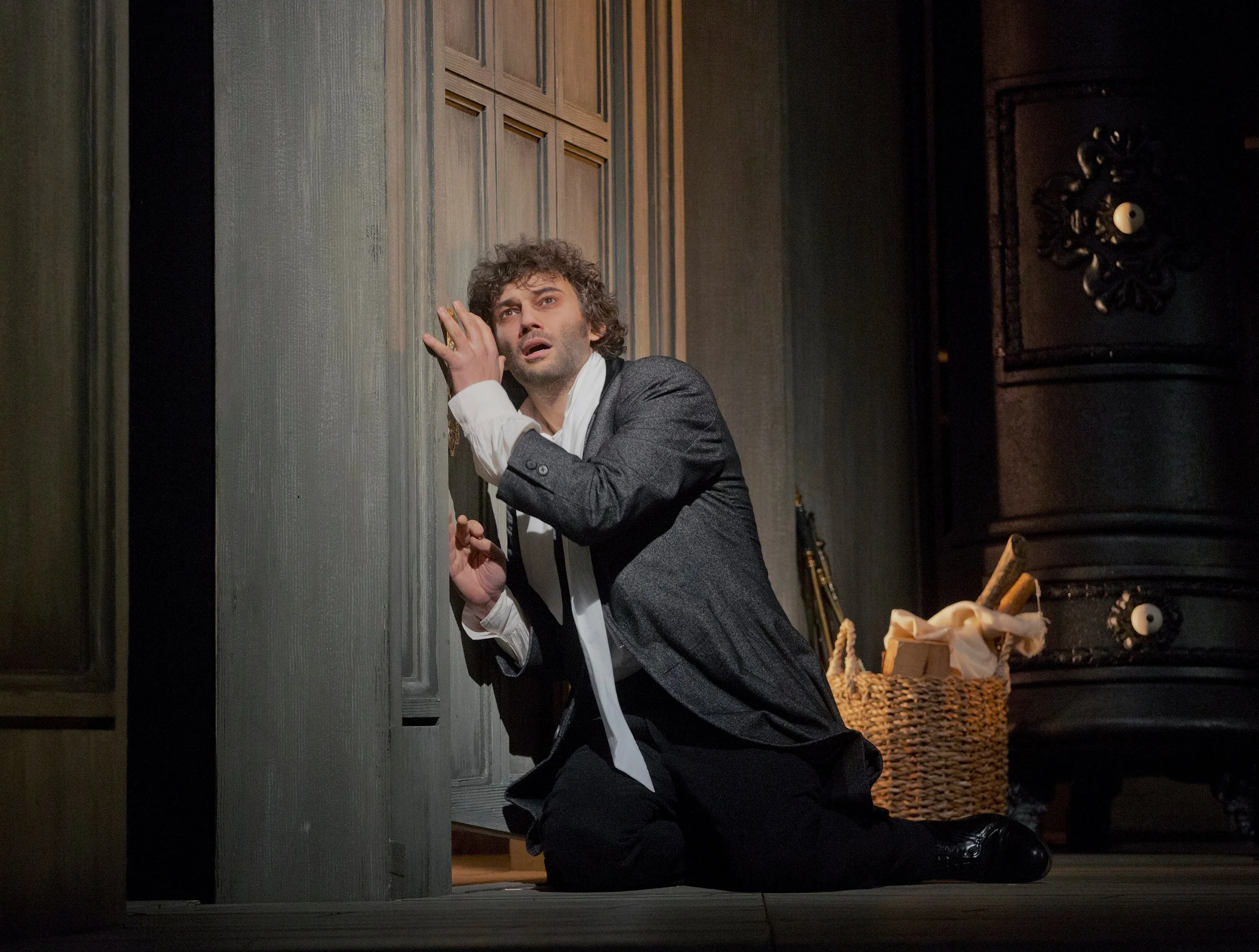
That is really what this anniversary reel, hosted with easy warmth by Renée Fleming, is about. Not nostalgia, exactly, though there is plenty of that on offer. It is a reminder of what it means for something this rarefied to travel. I will likely never sit inside the Met itself. Most people watching this in a Ster-Kinekor seat won't either. And yet here we all are, watching Jonas Kaufmann pour real weight and ache into an aria from Werther, watching a hundred voices rise together in Verdi's Chorus of the Hebrew Slaves, watching Wagner's Rheingold build its slow, mythic dread and Lohengrin's finale resolve into something golden and soaring. None of that used to belong to us. Now, for the price of a cinema ticket, it does.
What struck me first, watching two decades of grand opera compressed into one sitting, was the sheer physical stamina the art form demands. These are not short songs. They are extended, often punishing feats of breath control and stage presence, sustained across hours, and the reel does a good job of reminding you just how much is being asked of a human body and voice in these moments. Rossini's Figaro sets an early, funny tone: his patter aria from The Barber of Seville is sung at a tempo that seems designed to catch the singer out, and there is something joyous about watching a performer treat vocal virtuosity as a punchline rather than a pedestal. Elsewhere the mood turns much darker. Strauss's Salome looks genuinely unsettling, all covetous longing and moral collapse dressed up in some of the most gorgeous orchestral writing of the twentieth century, and Verdi's Rigoletto offers a different kind of intensity again, fast, driving strings under the jester's desperate pleading to know what has happened to his daughter.
Among all of it, Wagner is the composer I found myself leaning forward for. I saw the Met's full staging of Tristan und Isolde on this same screen at Cinema Nouveau not long ago, all five hours of it, and wrote at the time about how completely it undid me (you can read that review here). So when Rheingold's mythic dread and Lohengrin's soaring finale surfaced in this reel, alongside everything else on offer, it felt less like a new discovery and more like a confirmation. This is still the composer who reaches me in a way nothing else quite does, and seeing him represented here, however briefly, was a good reminder of how much of my own operatic education has happened on exactly this kind of screen, in exactly this kind of seat.
The moment that will stay with me longest, though, had nothing to do with scale. It was a South African soprano, Golda Schultz, singing Summertime as Clara in the Met's 2020 production of Porgy and Bess. I didn't catch her name in the moment, but I went looking afterwards, and I'm glad I did. There is something quietly moving about seeing a voice that trained in Bloemfontein and Cape Town land on one of the great American stages, singing in English, a rarity in this repertoire, in a work set in a Black community and steeped in that history. It is a small thread in a much larger tapestry, but it is the one that made the whole evening feel personal rather than purely aspirational, and it is exactly the kind of connection a global cinema audience gets to make that a purely local one never would.
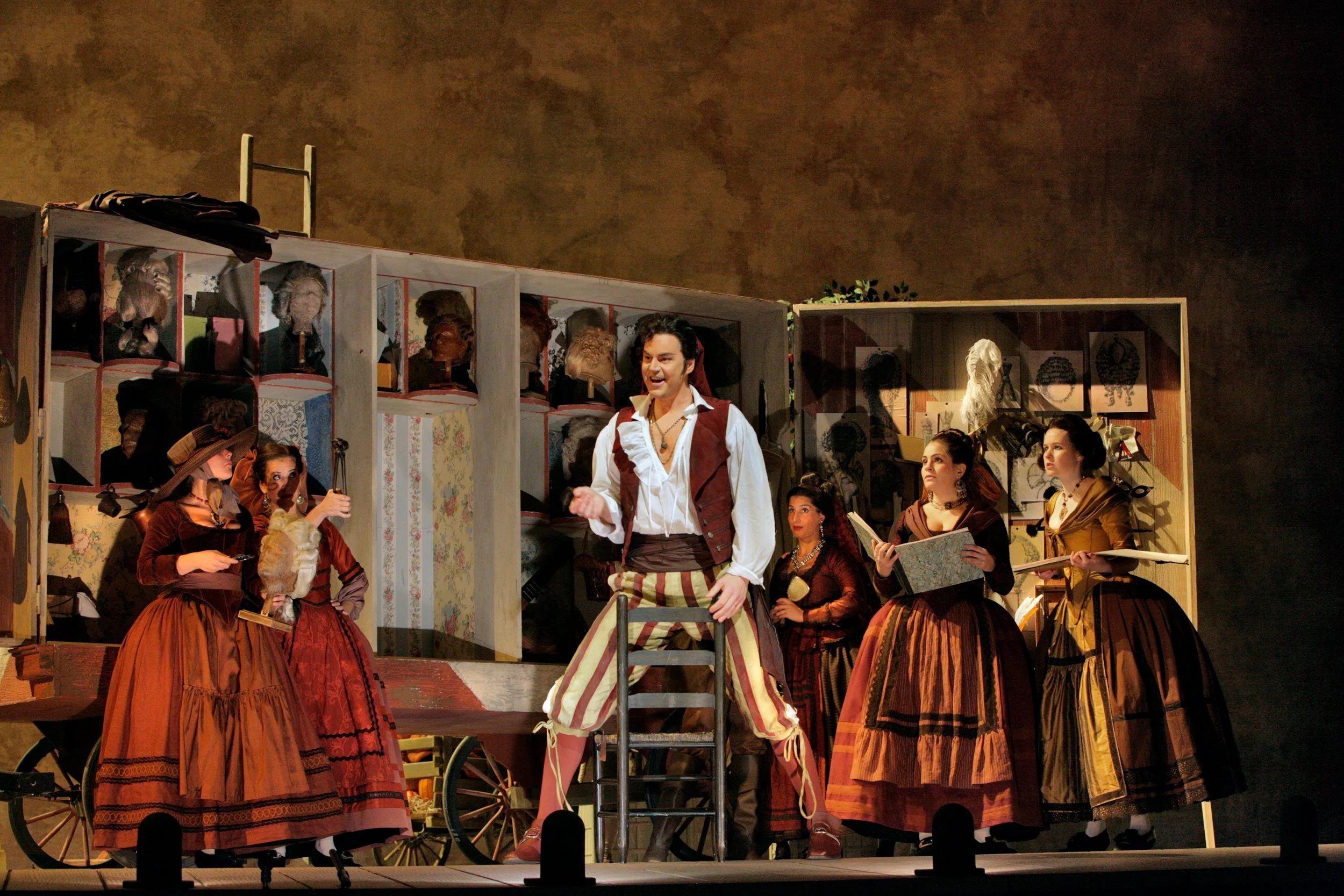
Photo: Ken Howard / Met Opera
That, in the end, is the real anniversary being celebrated here. Not just twenty years of broadcasts, but twenty years of a widening circle. A schoolchild in Bloemfontein, or an audience member in a Rosebank cinema on a Tuesday night, now has access to the same Kaufmann, the same Fleming, the same staggering choral moments that once belonged almost exclusively to New York's Lincoln Center. That is not a diminished version of opera. It is opera doing what it has always done at its best, finding new rooms to fill and new people to move, and for those of us who will likely never make the trip to Lincoln Center in person, that expansion is not a footnote. It is the whole story, and the reason I keep going back for more.
Twenty Years of the Met in Cinemas: An Anniversary Celebration runs at Ster-Kinekor Cinemas on the 27th and 29th of September 2026.